- Understanding In-Cabin Pet Travel
- Top Domestic Carriers
- International Travel Considerations
- Before Booking
- Day of Travel Tips
- International Travel Specific Tips
- Essential Preparation Steps
- Popular Pet-Friendly Destinations
The Ultimate Guide to Flying with Your Pet: Domestic & International Travel Tips
Traveling with your furry companion doesn’t have to be stressful. Whether you’re flying across the country or jetting off to an international destination, proper planning can make the journey smooth for both you and your pet. This guide focuses on in-cabin travel, ensuring your pet stays by your side throughout the flight.
Understanding In-Cabin Pet Travel
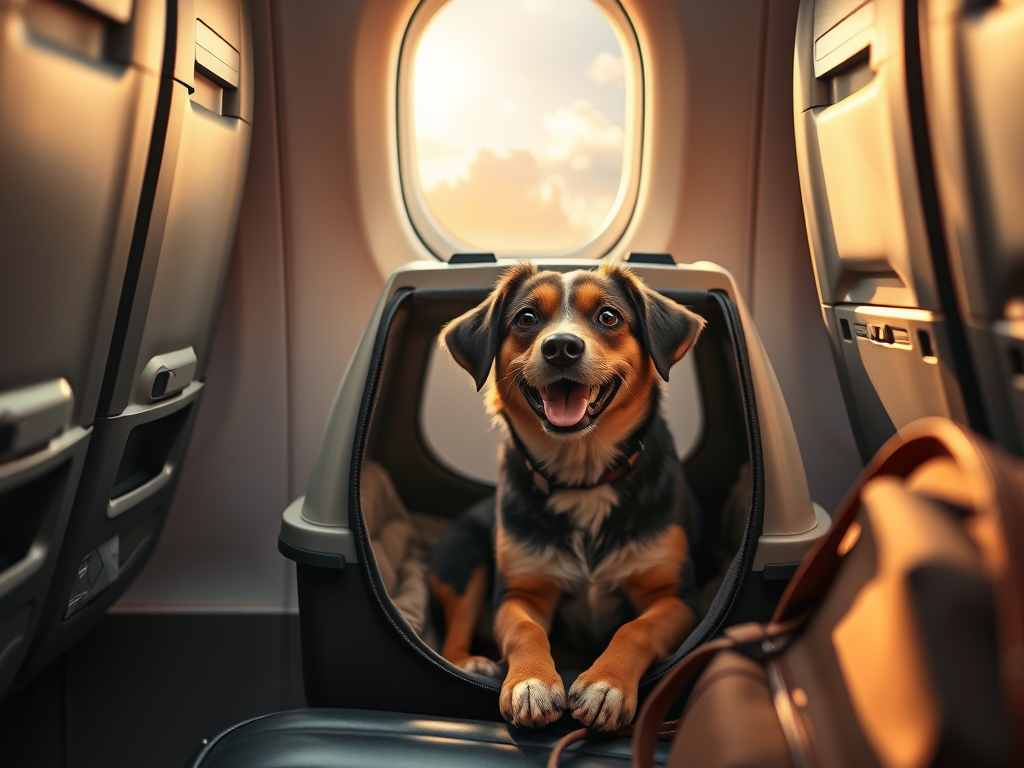
Most airlines allow small pets to travel in the cabin if they meet specific size and weight requirements. Typically, your pet and their carrier combined must weigh under 15-20 pounds, and the carrier must fit under the seat in front of you. This option is primarily available for cats and small dogs, though policies vary by airline.
Most Pet-Friendly Airlines for In-Cabin Travel
Top Domestic Carriers
JetBlue Airways stands out as one of the most pet-friendly options, allowing pets on all flights except those to/from the UK, Ireland, and Hawaii. Their JetPaws program welcomes cats and dogs, and they’re known for reasonable pet fees and good customer service regarding pet travel.
Southwest Airlines offers straightforward pet policies with competitive pricing. They allow small vaccinated cats and dogs in appropriate carriers, and their flexible booking policies extend to pet travel as well.
Alaska Airlines has earned a reputation for accommodating pet owners, allowing one pet carrier per paying customer on most routes. They also permit multiple pets from the same household in one carrier if they’re small enough.
Delta Air Lines accepts small dogs, cats, and household birds in-cabin on most domestic flights. While their fees are slightly higher, they offer extensive route options and clear pet policies.
International Travel Considerations
For international flights departing from the U.S., Lufthansa and Air France are often praised for their pet-friendly policies, though requirements become more complex with international regulations. These airlines allow in-cabin pets on many international routes, subject to destination country restrictions.
Important Note: Not all international destinations allow in-cabin pets, and some countries (like the UK, Australia, and Hawaii) have strict quarantine requirements that make cargo travel unavoidable.
Essential Preparation Steps
Before Booking
Check airline restrictions carefully. Each airline has specific breed restrictions, carrier dimension requirements, and route limitations. Some airlines don’t allow pets on flights over a certain duration or to extreme temperature destinations.
Consider your destination’s requirements. International travel requires additional documentation, including health certificates, vaccination records, and sometimes import permits. Some countries require pets to be microchipped with ISO-compliant chips.
Book early. Airlines limit the number of pets allowed in-cabin per flight (typically 2-7 pets total), so reserve your pet’s spot when you book your ticket.
Health and Documentation
Schedule a vet visit within 10 days of travel for domestic flights, or according to your destination country’s requirements for international travel. You’ll need a Certificate of Veterinary Inspection (health certificate) for most travel.
Ensure vaccinations are current, particularly rabies. Keep copies of all documentation in both physical and digital formats.
Choosing the Right Carrier
Invest in an airline-approved soft-sided carrier that provides adequate ventilation and comfort. Your pet should be able to stand, turn around, and lie down comfortably. Popular brands include Sherpa and Sleepypod, which are approved by most major airlines.
Let your pet acclimate to the carrier weeks before travel. Make it a positive space with treats, familiar bedding, and gradually increasing time spent inside.
Day of Travel Tips
Arrive extra early. Check-in with a pet takes additional time, and you’ll want to avoid rushing through the airport.
Exercise before the airport. A tired pet is typically a calmer pet. Give your dog a good walk or engage your cat in play before leaving home.
Limit food and water. Feed your pet a light meal 3-4 hours before departure to minimize bathroom accidents. Offer small amounts of water, but avoid overhydrating.
Freeze water in the carrier bowl. A clever trick is to freeze water in your carrier’s water dish. As it melts during the flight, your pet will have access to water without spillage during takeoff and landing.
During the Flight
Keep your pet in their carrier throughout the flight. While it’s tempting to take them out for comfort, airline regulations prohibit this for safety reasons.
Slide the carrier under the seat immediately and keep it there except during taxi, takeoff, and landing when you might position it for your pet’s comfort within regulations.
Stay calm. Pets pick up on your anxiety, so maintaining a relaxed demeanor helps keep them settled.
International Travel Specific Tips
Research quarantine requirements months in advance. Countries like Japan, Australia, and New Zealand have mandatory quarantine periods that can last weeks or months.
Understand EU Pet Passport rules. If traveling to Europe, familiarize yourself with the EU Pet Travel Scheme, which requires specific identification, rabies vaccination, and sometimes tapeworm treatment.
Factor in time zone changes. Adjust feeding schedules gradually if you’re crossing multiple time zones to help your pet adapt.
Know the re-entry requirements. Bringing your pet back to the U.S. also requires documentation, including a rabies vaccination certificate and health certificate from the country of origin.
Popular Pet-Friendly Destinations
Domestic
- Portland, Oregon (dog-friendly parks and breweries)
- Austin, Texas (off-leash areas and pet-welcoming culture)
- San Diego, California (dog beaches and year-round weather)
- Asheville, North Carolina (hiking trails and pet-friendly downtown)
International
- Paris, France (pets welcome in cafes and on public transport)
- Amsterdam, Netherlands (dog-friendly canals and parks)
- Montreal, Canada (minimal entry requirements for U.S. pets)
- Mexico (varies by region, but many beach towns are pet-welcoming)
What to Pack
- Airline-approved carrier with absorbent pad
- Collar with ID tags and your destination contact info
- Leash
- Current photos of your pet
- Food and collapsible bowls
- Any medications
- Waste bags
- Familiar toys or blanket
- All health documentation and vaccination records
Final Thoughts
Airline travel with pets requires planning, patience, and flexibility, but it’s absolutely manageable with the right preparation. Your pet becomes part of your adventure rather than a reason to stay home. Start researching airline and destination requirements early, invest in a quality carrier, and approach the journey with a positive attitude.
Remember, every pet is different. Some animals take to travel naturally, while others need more time to adjust. Honor your pet’s temperament and needs throughout the planning process. Safe travels to you and your furry companion!


